What DSOs and Corporate Buyers Look for in a Dental Practice
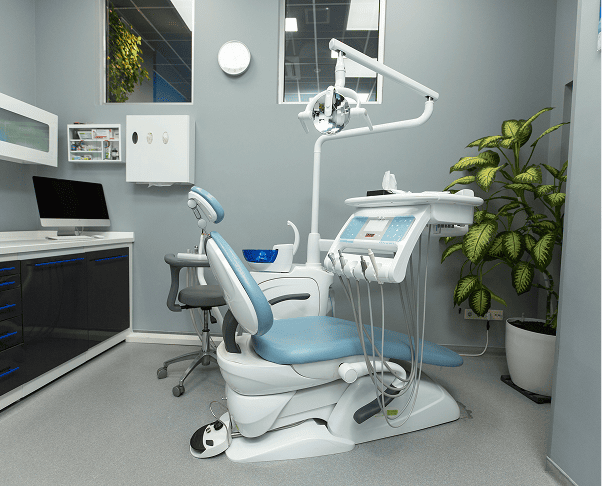
As a long-term dental practice owner, you’ve probably heard a lot about Dental Service Organizations, or DSOs, especially if you’ve considered selling your practice. However, DSOs have historically gotten a bad rap—you might even think of them as big companies that are taking over the dental world. But what exactly are they, and what do they really want when they look at a practice like yours?
A DSO is basically a business team that handles the non-clinical side of a dental practice. They take care of things like billing, human resources, marketing, and buying supplies. This allows dentists to focus on what they do best: treating patients.
DSOs are attracted to the dental industry because it’s a safe and stable business that does well even when the economy is a little shaky. They see a lot of potential in practices that have been running for a long time, especially if there’s “room for improvement”
Debunking Common Myths About DSOs.
When owners think about selling to a DSO, they often have two big worries. Let’s clear those up.
- Myth #1: You will lose control of your dentistry. DSOs don’t want to interfere with your clinical decisions or how you treat your patients. They focus on the business side of things, leaving the dental work to you, the dentist.
- Myth #2: They will want you to leave right away. Actually, the opposite is true. Most DSOs want the selling dentist to stay and work for at least two years. The longer you are willing to stay on, the better the offer you are likely to get. Your experience and relationships with patients are very valuable to them.
How DSOs Look at Your Practice’s Value
This is one of the most important things to understand. A DSO doesn’t look at your practice’s value as a simple multiple of your earnings. That old way of thinking doesn’t hold water anymore.
Instead, DSOs use a more detailed number called EBITDA. This is a business term that means “Earnings Before Interest, Taxes, Depreciation, and Amortization.” Put simply, it’s a way to measure your practice’s true profit, or how much cash is left over after all the business expenses are paid. DSOs are typically looking for practices with an EBITDA of more than 20%. They generally pay a multiple of this number, often between 5 and 8 times your EBITDA.
Red Flags vs. Green Lights: What DSOs Look For
When a DSO evaluates your practice, they are looking for specific things. Some of these can be red flags that lower your value, while others can be seen as opportunities that make your practice more attractive.
Red Flags (Things to Fix):
- Financial issues: Big differences between your profit and loss statements and your tax returns are a major concern.
- Staff problems: High staff turnover or salaries for family members that are not in line with the market.
- Outdated systems: Old technology, a poor website, or a weak hygiene program (less than 30% of revenue) can make any buyer hesitant, especially a DSO.
- Lease problems: A lease with at least 10 years remaining between the current term and extension options is expected.
Green Lights (What They See as Opportunities):
- High costs: If your practice spends more than average on supplies and lab work, a DSO might see this as a good thing. With their buying power, they know they can lower those costs after the sale and increase the profit.
- Referred work: If you send a lot of specialty work (like orthodontics or oral surgery) to other dentists, a DSO might see this as a chance to bring those services in-house. This would grow the practice’s income without needing to find new patients.
Understanding what DSOs are looking for is the first step to a successful sale. It allows you to prepare your practice properly, turn potential red flags into green lights, and put yourself in the best position to get a great deal.